
The Data You Can't Control

Profile picture of Nicolai Bjerre
Why Steller Motorsport's performance engineer treats weather as a trusted data source.
Almost every variable in a GT endurance race is something a team can shape - tyres, setup, stint plan. The weather isn't. It's the one input nobody at the track can influence, which is exactly why it's the one every team ends up reacting to. The question running under a whole event is simple: are we quick or slow because of us, or because of the conditions?
Nicolai Bjerre, Data / Performance Engineer at Steller Motorsport - the British team running a Corvette Z06 GT3.R in GT World Challenge Europe - has been using SectorWeather with the team for a while. His take is blunt: treated as trusted data rather than a screen you glance at, weather is a lever on performance.
Being a motorsport engineer is like being Sherlock Holmes, except the case never ends. You push performance in a direction - but to know which direction, you have to investigate every branch. And you can't do that every time. - Nicolai Bjerre
You can't chase every clue at once, so you need a few inputs you rely on completely and spend your attention on the parts of the puzzle only you can solve. Weather, done right, is one of those fixed points.
Simple, reliable, precise - in that order
Ask Bjerre what he wants from a weather platform and it's strikingly un-flashy:
I'd rather have something simple, reliable and precise than something that does too many clever things. The most critical features in SectorWeather for me are air and track temperature, and the prediction models. After that, it's all about quality and trust - and the precision, which I know is there. - Nicolai Bjerre
What sits at the center is air and track temperature and weather condition timelines that merge historical conditions with future forecasts. The ability to see not just what a weather system is doing but where it's going, and whether conditions are about to swing his way or against it. That's what turns weather from a surprise into a call.
Trust is the feature
Everything downstream comes down to confidence. The highest-value decisions - gambling on an early change before the rain lands, reading a shift in grip, judging a rival's pace - are only as good as the data under them, and an engineer only bets on numbers he believes. "The precision, I know it's there," is how Bjerre puts it. That's the line between a tool you use to describe what already happened and one you use to decide what to do next.
From the pit wall to the debrief
The live session is only half of it. Much of the value lands afterwards. The post-event report is where the weather record combines with everything else into a clear account of why things happened when they did — and because it's all logged and reachable from a browser, none of it rides on memory. Over a long stint or a full 24 hours, nobody has to recall what the tyre man called out hours earlier.
Over a long race, instead of trying to remember what the tyre man called out, you just have the data. It's all in one easy-to-use place. You save time, and you avoid losing information in the noise. - Nicolai Bjerre
Across a season the history compounds: how a circuit tends to behave month to month, when track temperature peaks, how quickly rain usually arrives, and where reality diverged from the forecast - the raw material for sharper calls next time out.
Why so many teams skip a weather setup - and why they shouldn't
Plenty of teams still run without a proper weather setup - just whatever app the engineer has on his phone, which turns into arguing over whose data is right instead of trusting one single source. Plenty adjust pressures on tyre-sensor data alone, which is fine until a sensor isn't. The reason it gets skipped is human: it's a factor you can't control, so managing an entire system feels like one more thing to configure before it pays off.
Compared with a lot of systems I've worked with that need an external cable, SectorWeather is very simple to set up for a race. It's wireless. It has to be easy, and it really is. - Nicolai Bjerre
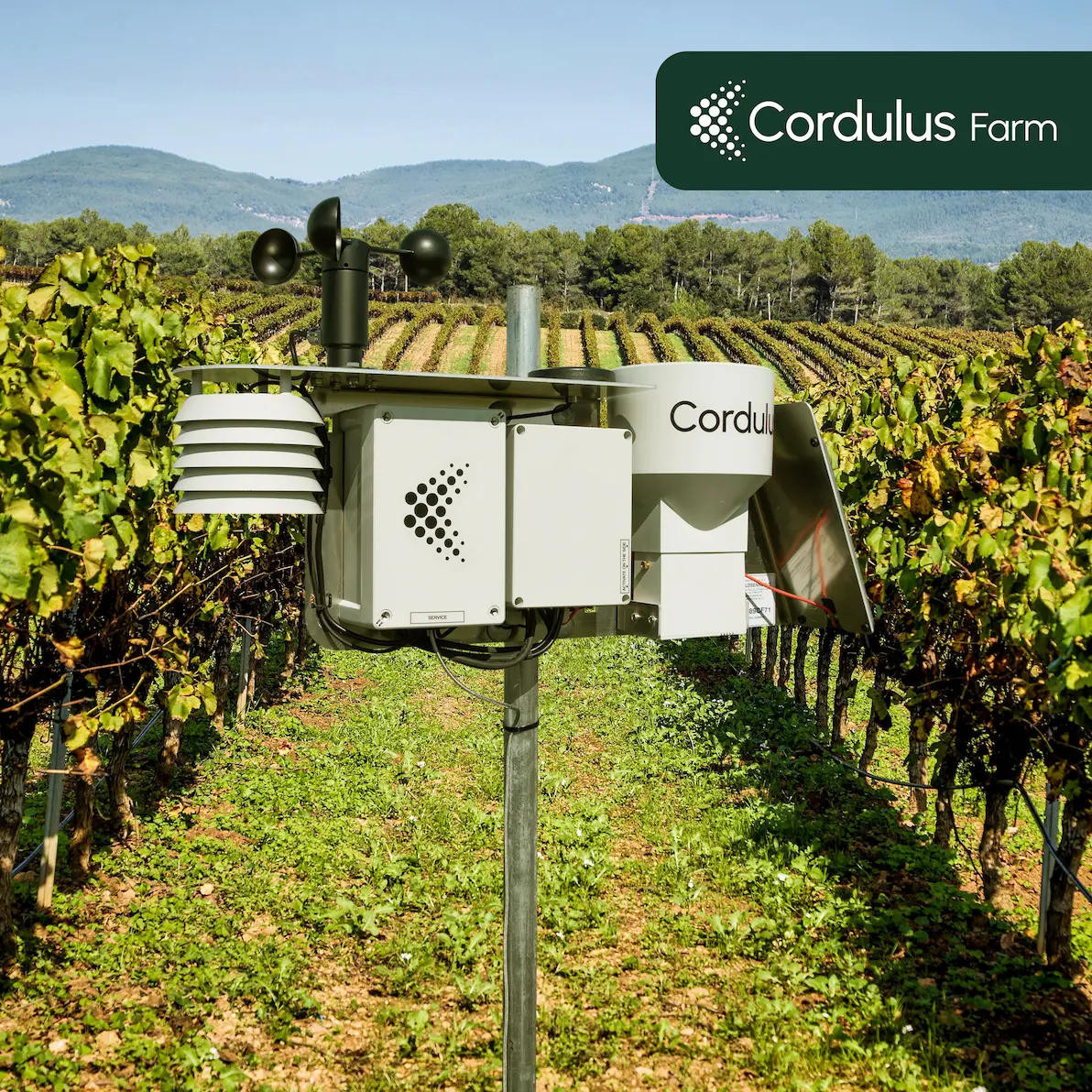
There's a straight efficiency argument too: a wireless sensor and data package running live points and forecasts covers work that otherwise falls to manual measurement across the event. The friction that keeps teams off weather is exactly the friction this removes.
What's next
Bjerre is already looking ahead. Getting acquainted with the track-drying prediction model and turning “how fast does it dry after a shower?” from a hunch into knowledge. After that, a native flow into the software systems a team already runs around the car, timing and strategy, so weather is one more trusted input rather than a separate tab.
Weather is the one thing you can't influence - so you're going to have to react to it either way. The teams that treat it as real data, and trust that data, are the ones who get ahead of it. - Nicolai Bjerre

Published:
October 1, 2026
Latest posts
.webp)
%20(1)%20(1).webp)
.webp)


%20(1).webp)


.webp)

.webp)


.webp)

_web.webp)



.webp)


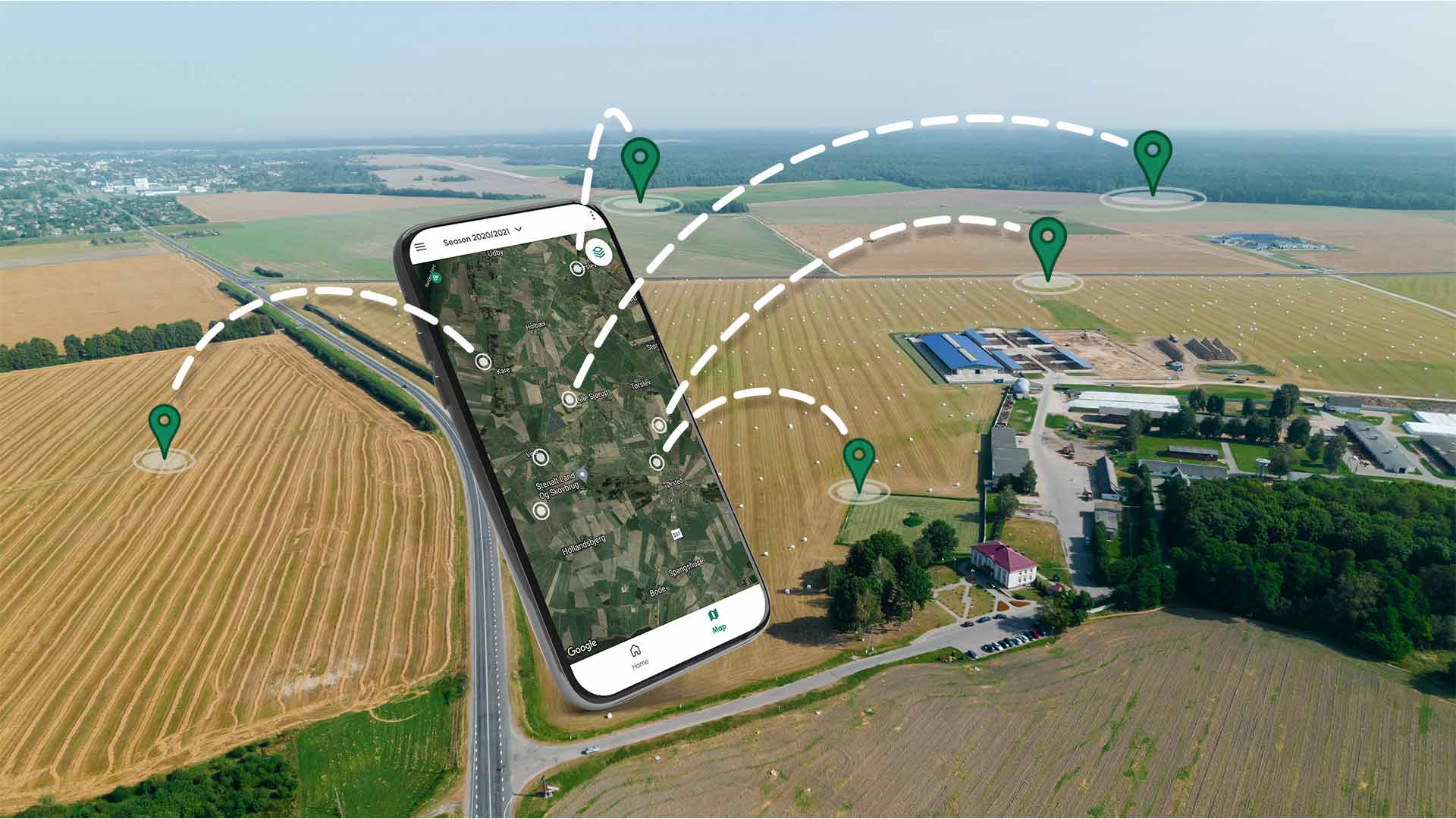


Trusted by thousands of customers, Cordulus provides accurate and reliable weather information to decision makers when it matters most.