Turn the weather into an advantage on the track

See how track-specific data ensures your team’s hard work doesn't get sidelined by shifts in the weather you didn't see coming.

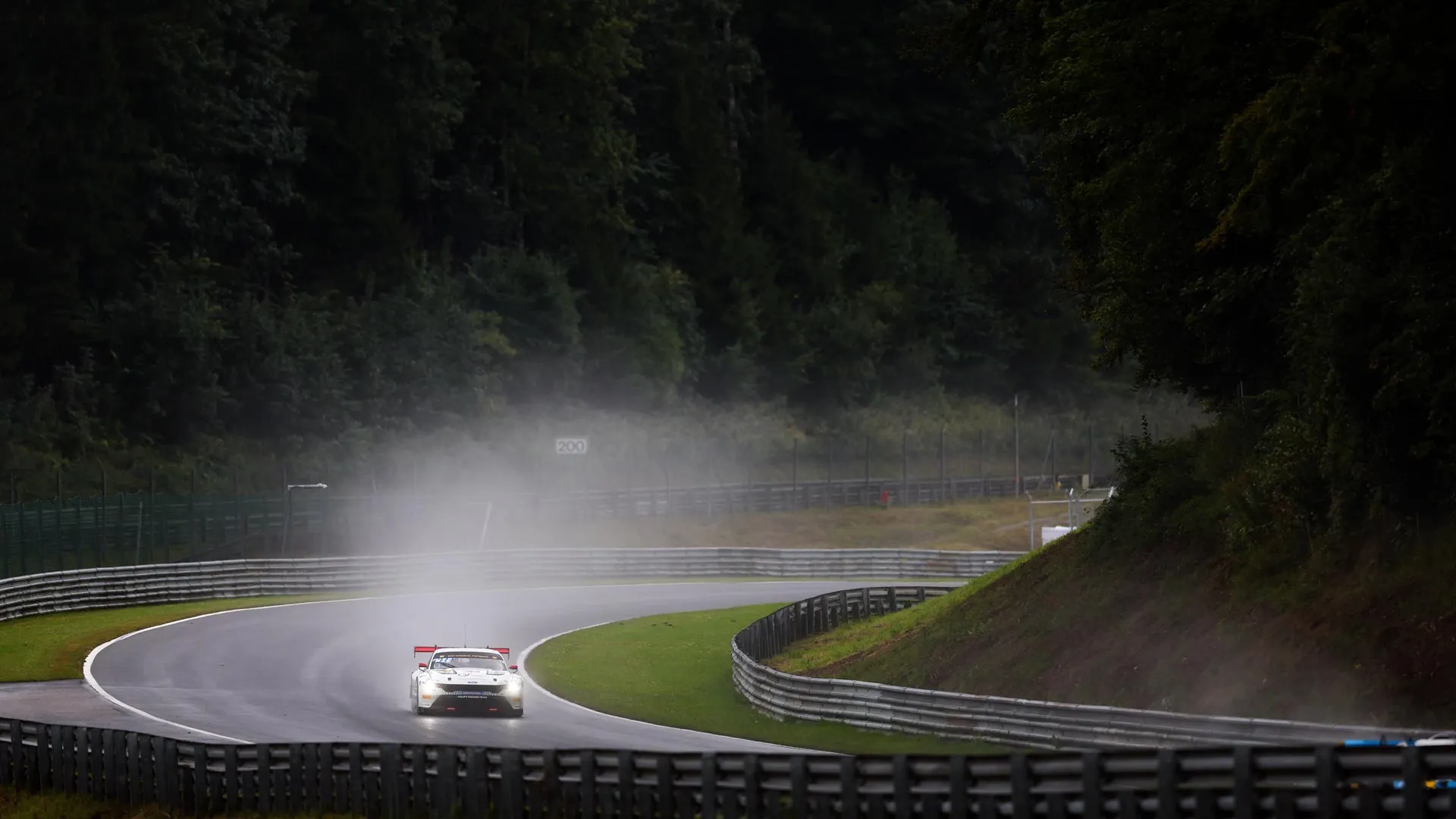
White race car with headlights on driving on wet curved race track surrounded by forest.

Stay in the race with local weather data

Races are frequently won or lost in the transition between conditions. Real-time, track-level weather telemetry eliminates the risk of relying on regional averages or intuition during critical strategic windows.

This data-driven clarity ensures tire calls are made with a high degree of confidence, protecting the team from the tactical errors that occur when the pit wall is forced to guess.

And the result? More decisive communication and a strategy that remains valid even as track conditions fluctuate.
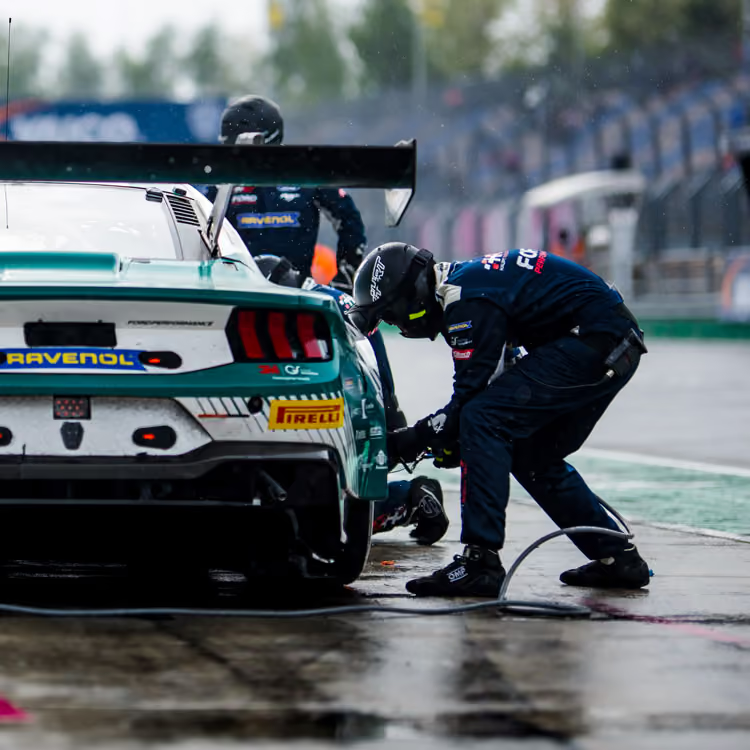
Pit crew members in navy suits and helmets servicing a green and white race car on a wet racing track.
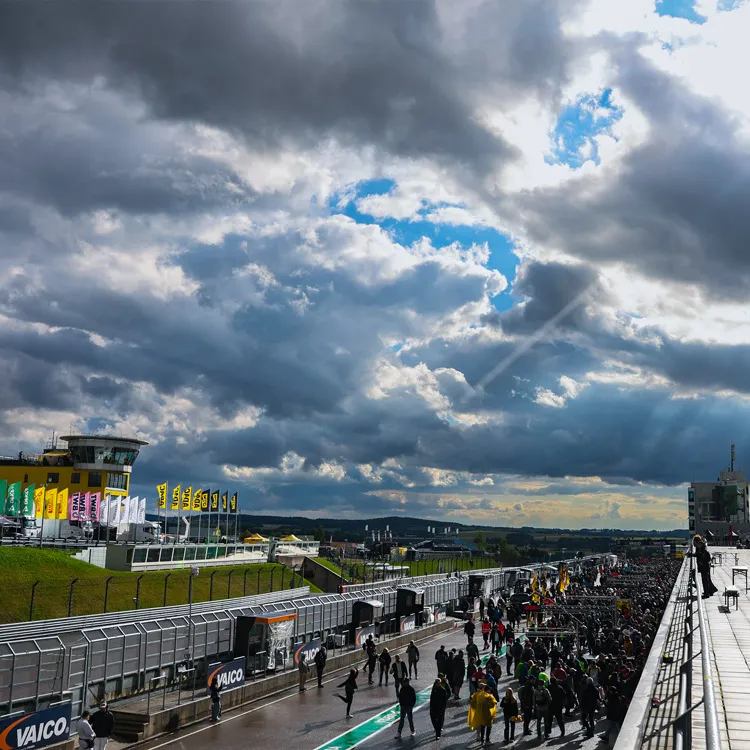
Crowd gathered on a race track pit lane under a dramatic cloudy sky with patches of blue and sunlight.

Session-by-session planning with AI forecasts

Standard weather services lack the resolution to capture the local weather shifts that redefine a circuit between sessions. Relying on regional data forces teams to chase a moving setup window, resulting in "noisy" telemetry and wasted track time.

SectorWeather's high-resolution AI forecasts track the changes in 10-minute intervals, pinpointing the optimal windows for qualifying sims and race runs before the pit lane opens.

This predictive clarity allows you to commit to tire and setup strategies with confidence, ensuring engine life and tire allocations yield actionable race-day intelligence.

Planning with historical data and forecasts

A successful race weekend is built on the mitigation of uncertainty. High-precision weather data allows you to model multiple scenarios, ensuring that strategic responses are pre-planned rather than reactive

This level of preparation reduces the cognitive load on the engineering team when conditions shift, ensuring that the organization remains aligned and focused on execution rather than damage control.

Man in Ford Performance shirt holding a laptop, with a blurred yellow race car in the background.

Post-race simulation using track-weather data

With limited track time, every lap must yield representative data. Unobserved changes in the weather can render a setup irrelevant, leading to errors based on noisy telemetry.

Without precise weather reports, post-race analysis may suffer from misattribution, leading teams to solve for issues that don't exist. With SectorWeather, teams can verify whether a loss of pace was a setup deficiency or a localized shift in track temperature.

This validation process protects the development cycle, ensuring that conclusions are grounded in data and that the team isn't chasing assumptions into the next event.

Long-term performance analysis

Over a full season, unquantified weather variables act as a significant source of error in performance modeling.

Treating atmospheric data as a core part of the telemetry stack allows for the identification of genuine performance signals.

This longitudinal insight supports more accurate simulations and protects the long-term development strategy from being skewed by environmental outliers, providing a clearer picture of the setup's true competitive standing.

Blurred gray race car speeding across a checkered finish line on an asphalt track with overlaid weather data graphs.

Want to see how it works for yourself?

See how you can save valuable seconds with SectorWeather in a 30-minute, non-binding product demonstration.